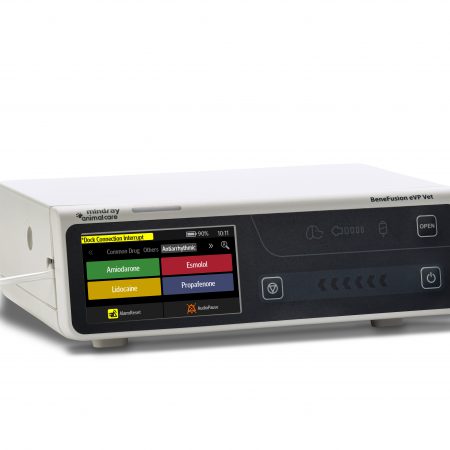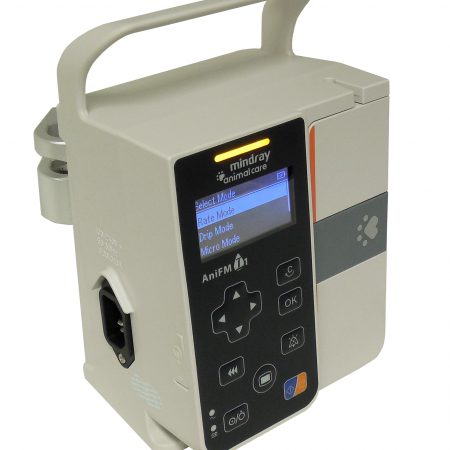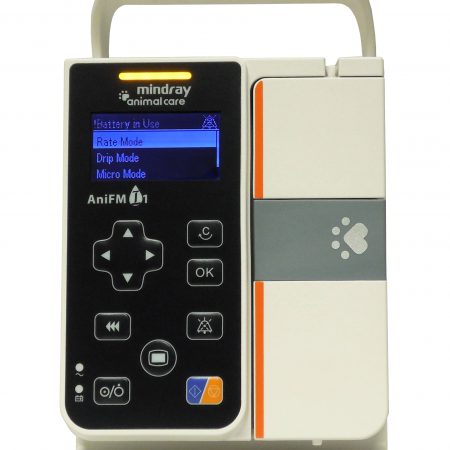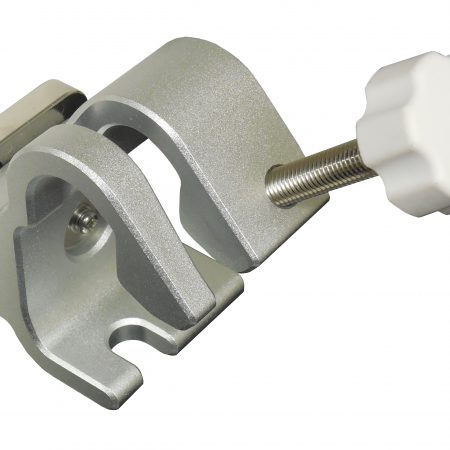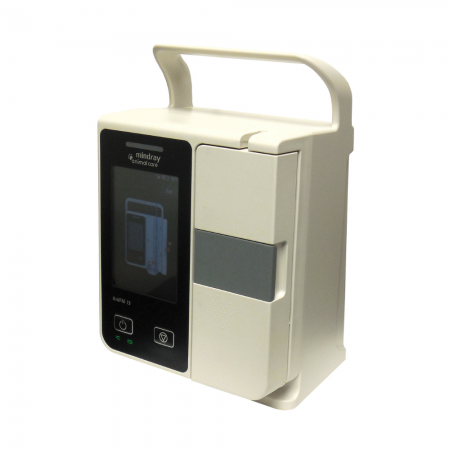

Veterinary infusion pumps are essential tools for delivering precise amounts of fluids, medications, and nutrients to animal patients. These devices come in various types and offer a range of features to suit different clinical needs. In this article, we will explore the different types of veterinary infusion pumps and their key features to help you make informed decisions when selecting equipment for your practice.
Types of Veterinary Infusion Pumps
1. Volumetric Infusion Pumps
- Deliver a set volume of fluid over a specified time period
- Suitable for continuous infusions and larger volume deliveries
- Often used for intravenous fluid therapy and parenteral nutrition
2. Syringe Infusion Pumps
- Use a syringe pump to deliver small, precise volumes of fluid
- Ideal for administering medications, especially in critical care settings
- Offer high accuracy at low flow rates
3. Ambulatory Infusion Pumps
- Portable and lightweight, allowing for patient mobility
- Commonly used for pain management, chemotherapy, and home care
- Battery-operated and often programmable
4. Enteral Feeding Pumps
- Designed for delivering nutrient solutions directly into the digestive tract
- Used for patients unable to eat or drink independently
- Can be used for both nasal and percutaneous feeding tubes
Key Features to Consider
When selecting a veterinary infusion pump, consider the following key features:
1. Flow Rate Range
- Ensure the pump can deliver the required flow rates for your specific applications
- Consider the minimum and maximum flow rates, as well as the incremental adjustments
2. Accuracy
- Look for pumps with high accuracy ratings to ensure precise fluid delivery
- Accuracy is particularly crucial when administering medications or in critical care settings
3. Occlusion Detection
- Choose pumps with intelligent occlusion detection systems to alert staff when there is a blockage in the tubing but start delivery automatically if the occlusion clears
- This feature helps prevent under-delivery of fluids and medications
4. Alarms and Alerts
- Opt for pumps with clear and customisable alarms and alerts
- Alarms should signal issues such as air in the line, occlusions, low battery, and programming errors
5. Battery Life
- Consider the battery life of the pump, especially for ambulatory or transport use
- Look for pumps with long-lasting batteries or the ability to operate while connected to mains power
6. User Interface
- Select pumps with intuitive user interfaces for easy programming and monitoring
- Clear displays, simple navigation, and quick access to key functions are essential
7. Compatibility
- Ensure the pump is compatible with the giving sets and consumables used in your practice
- Verify compatibility with your facility’s electronic medical record system, if applicable
Maintenance and Servicing
Regular maintenance and servicing are crucial for ensuring the accuracy, safety, and longevity of your veterinary infusion pumps. Partner with a reliable service provider, such as Infusion Concepts, to keep your pumps in optimal condition. Infusion Concepts offers comprehensive maintenance services, including calibration, repairs, and electrical safety testing, to help you maintain the performance of your infusion pumps and comply with regulatory requirements.
Conclusion
Understanding the different types of veterinary infusion pumps and their key features is essential for making informed decisions when equipping your practice. Consider factors such as flow rate range, accuracy, occlusion detection, alarms, battery life, user interface, and compatibility when selecting an infusion pump. Remember to partner with a trusted service provider, like Infusion Concepts, for regular maintenance and servicing to ensure the ongoing accuracy, safety, and reliability of your infusion pumps.